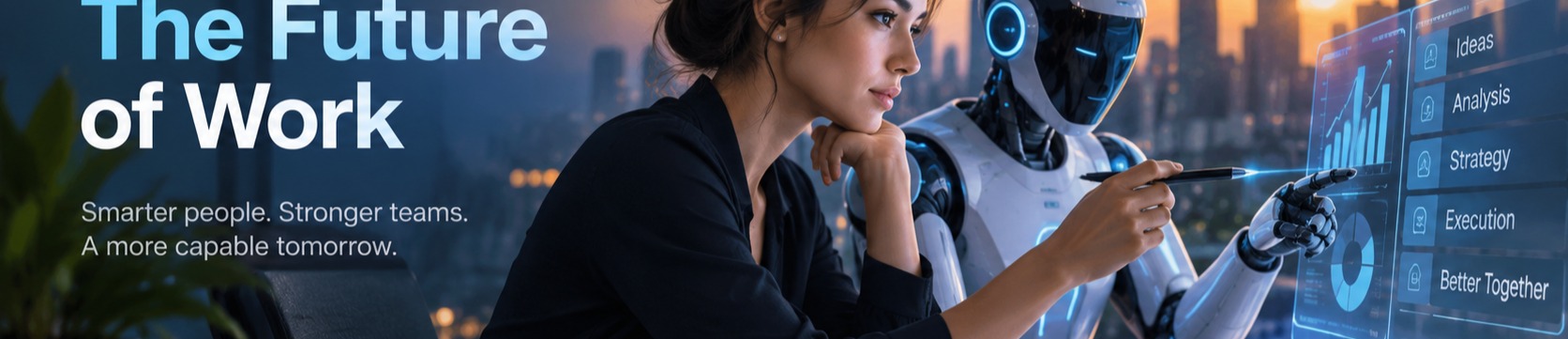

Artificial intelligence is moving beyond simple assistants and becoming an active part of how we work, create and make decisions.

Artificial intelligence is rapidly evolving from a tool that simply responds to questions into technology capable of reasoning, analyzing complex information, recognizing patterns and completing increasingly sophisticated tasks. Modern AI systems can understand and generate text, interpret images, process audio and video, write software, analyze massive datasets and interact with digital environments. Instead of being limited to a single type of information or predefined task, these systems are becoming increasingly multimodal and adaptable, allowing them to understand different forms of data together and provide more contextual and useful responses.
This evolution is fundamentally changing how organizations think about software and automation. Traditional software requires people to follow predefined processes and specify individual actions, while AI introduces a model in which businesses can increasingly provide a system with an objective, relevant context and access to approved tools and allow it to help determine how that objective should be achieved. From analyzing thousands of documents and identifying patterns across millions of records to supporting employees, generating software and automating complex workflows, AI is moving from an isolated productivity feature toward a broader operational capability that could reshape how organizations work, make decisions and create value.
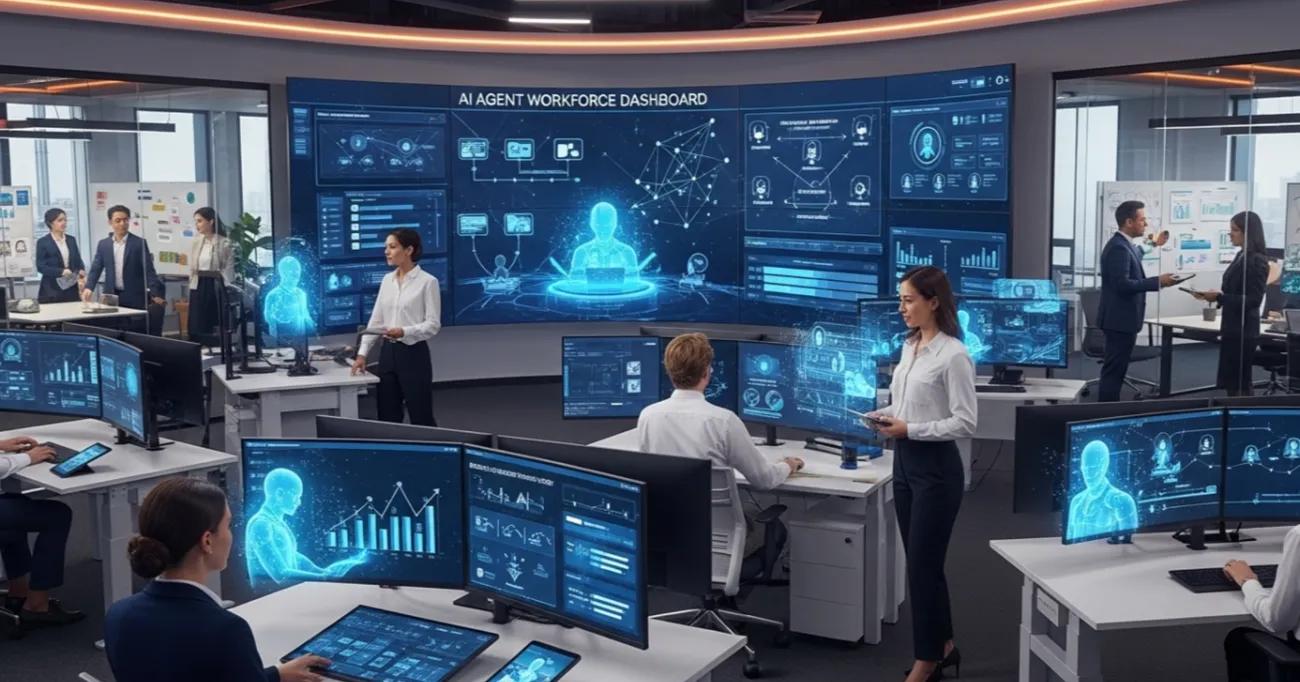
AI agents represent the next major evolution of artificial intelligence, moving beyond systems that simply answer questions or generate content toward technology capable of pursuing objectives and completing multi-step tasks. Instead of requiring a person to provide instructions for every action, an AI agent can understand a goal, analyze the available information, develop a plan and interact with approved tools and applications to move toward a desired outcome. These systems can potentially search databases, analyze documents, generate content, communicate with other systems and evaluate the results of their own actions as part of a continuous workflow.
This shift could fundamentally change how digital work is performed across organizations. In recruiting, for example, an AI agent could help identify suitable candidates, compare their experience with job requirements, rank potential matches and prepare personalized outreach, while a recruiter focuses on relationships and final decisions. Similar agents could support software development, customer service, finance, marketing, research and business operations. Rather than replacing human involvement entirely, AI agents could create a new model of collaboration in which machines handle more repetitive analysis and execution while people remain responsible for strategy, judgment, creativity and accountability.
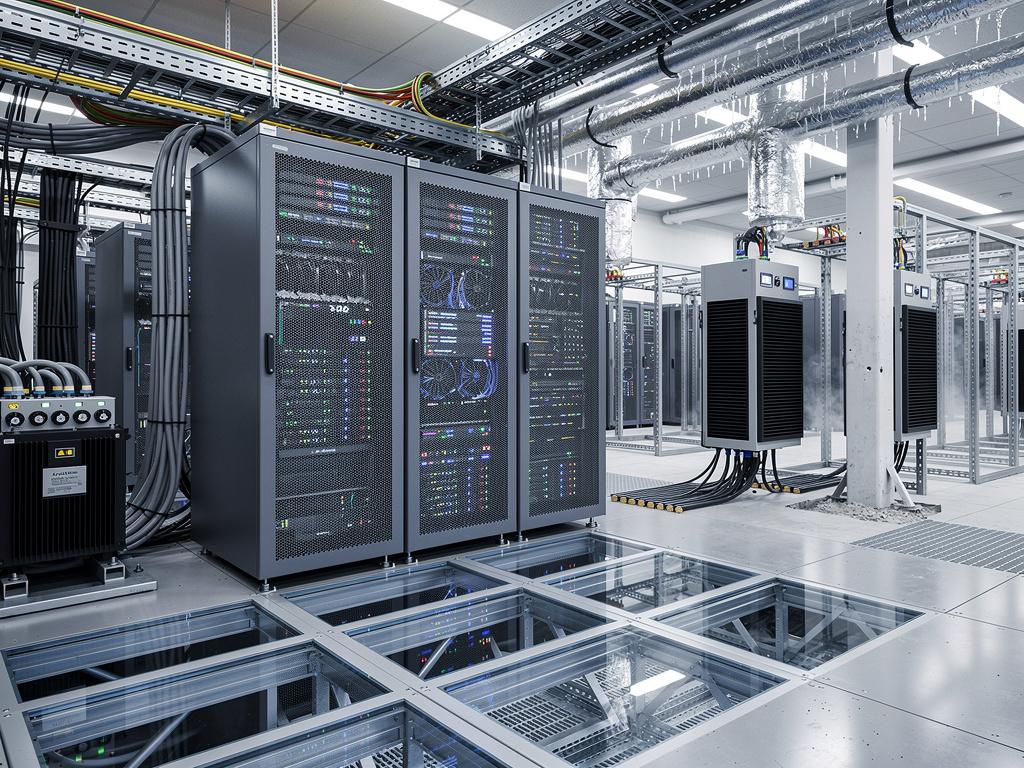
The future of work is increasingly being shaped by collaboration between people and artificial intelligence. Rather than simply replacing human workers, AI can act as an intelligent partner that helps employees analyze information, automate repetitive activities, generate ideas and make faster, better-informed decisions. AI systems can process enormous volumes of data and perform routine tasks at a scale that would be difficult for people to achieve manually, while humans continue to provide creativity, strategic thinking, emotional intelligence, relationships and judgment in situations where context and experience are essential.
This combination could significantly change how organizations structure teams and distribute responsibilities. Employees may spend less time searching for information, preparing reports, processing data or performing repetitive administrative work and more time focusing on complex problems, customers and strategic decisions. A small team supported by capable AI systems could potentially accomplish work that previously required much larger groups, increasing productivity while creating entirely new roles centered around managing, supervising and collaborating with intelligent systems. The competitive advantage may increasingly come from how effectively organizations combine human expertise with the speed and scalability of AI.