3 years ago
It's true that a plumber might need to work in various locations throughout a home, as plumbing issues can arise in different areas. Here's a brief overview of the typical areas where a plumber might work:
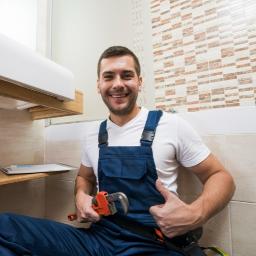
Bathrooms: This is a common area for plumbers due to issues with toilets, sinks, showers, and bathtubs. Tasks can include unclogging drains, fixing leaks, and installing fixtures.
Kitchen: Plumbers often work in kitchens to address problems with sinks, dishwashers, garbage disposals, and sometimes refrigerators (if they have water dispensers or ice makers).
Basement or Utility Room: These areas may house the main water supply, water heaters, sump pumps, and possibly laundry appliances. Plumbers might work on fixing leaks, installing water heaters, or maintaining sump pumps.
Outdoor Areas: Outside work can include dealing with outdoor faucets, sewer line repairs, or irrigation systems.
Underneath the House: In homes with crawl spaces, plumbers may need to work in these tight spaces to repair pipes.
Attics: While less common, some homes have plumbing running through the attic, such as vent pipes, which might need maintenance or inspection.
Walls and Floors: For more extensive repairs or during renovations, plumbers may need to access pipes that run inside walls or under floors.
Each area presents unique challenges and requires specific tools and expertise. For example, working in tight crawl spaces might require compact equipment and expertise in maneuvering in confined spaces, whereas outdoor work might involve more extensive digging and knowledge of municipal water systems. Being a plumber often requires versatility, physical dexterity, and the ability to diagnose and solve a wide range of issues in various home environments.

23