
The Set Becomes the Classroom
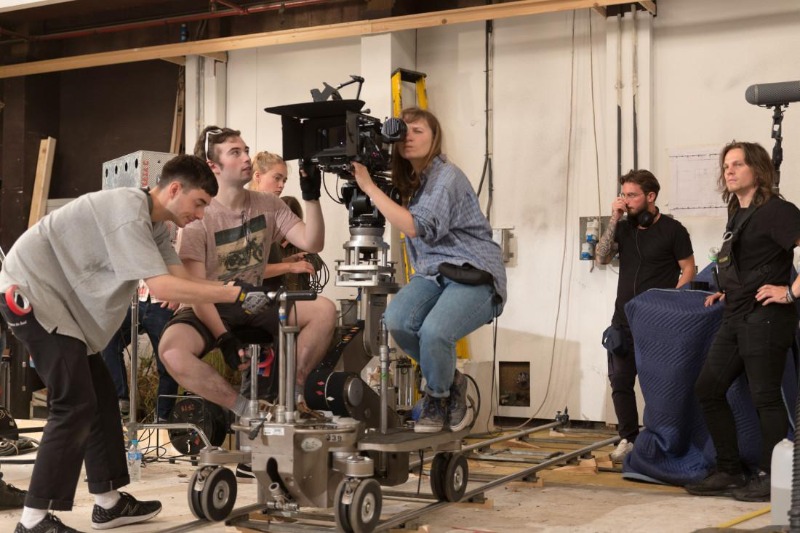
Film education truly comes alive when students step away from the classroom and onto a working set. Operating professional cameras, directing actors, adjusting lighting and recording sound turn filmmaking from an idea into something physical. A scene that seemed straightforward on paper can suddenly become complicated when the camera starts rolling, forcing students to make decisions quickly and work together.
Those moments are where much of the learning happens. Students begin to understand how framing changes emotion, how lighting creates atmosphere and how a director communicates an idea to an entire crew. Mistakes are part of the process. A missed focus, difficult camera movement or lighting setup that does not work becomes another lesson. With every production, technical knowledge gradually becomes creative instinct.
Where Technology Meets Storytelling
The tools available to young filmmakers are changing rapidly. Digital cinema cameras, virtual production, real-time visual effects, sophisticated editing software and emerging AI-assisted tools are giving creators possibilities that would once have required enormous production teams and budgets.
But having access to advanced technology does not automatically create a powerful film. Students still need to understand composition, performance, pacing, sound, lighting and—above everything else—story. The challenge for modern film academies is therefore to connect new technology with the fundamentals of cinema. Students should leave knowing not only how to use a tool, but also why and when to use it.
That balance allows technology to become part of the creative language rather than the focus of the film itself.
Finding a Voice Behind the Camera
Perhaps the most valuable part of film education is having the freedom to create repeatedly. Students write ideas, shoot scenes, work with actors, edit their footage, watch the result and then try again. Through that cycle, they begin discovering what kinds of stories interest them and how they want those stories to look and feel.
Filmmaking is also deeply collaborative. Directors depend on cinematographers, performers, editors, production designers, sound teams and many other creative specialists. Learning to communicate, accept criticism and trust other people's expertise becomes just as important as mastering a camera.
Technology will continue to transform cinema, but the fundamental purpose remains remarkably unchanged: make an audience feel something. The filmmakers who stand out will not simply be those who know the newest tools. They will be the ones who develop a recognizable perspective and know how to turn that perspective into stories people remember.