User details

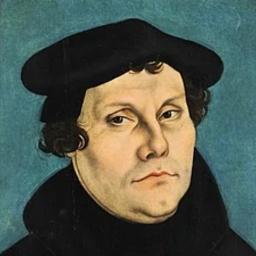
Martin Luther
@martinluther
Protestant Reformer
Bronx, NY, United States
14Followers23Following0Mutual0Post
Member since: Dec 05, 2025Martin Luther was a German theologian, professor, and reformer whose work sparked the Protestant Reformation. Through his writings, teachings, and advocacy for religious reform, he challenged long-standing doctrines and helped transform the course of Western history. His legacy shaped modern Christianity, education, and cultural thought.
Luther became a central figure in the Protestant Reformation, advocating for church reform, doctrinal clarity, and greater access to scripture for the public.
Authored the 95 Theses, challenging church practices.
- Led the foundation of Protestant Christianity.
- Translated the Bible into German, making it accessible to everyday people.
- Influenced social, educational, and political reforms in Europe.
Luther taught biblical studies and Christian theology, becoming known for his deep scriptural analysis and his commitment to reforming church practices through education.
- Delivered lectures on the Psalms, Romans, and Galatians.
- Developed theological positions that questioned church doctrines.
- Mentored students and influenced religious scholarship across Europe.
- Published commentaries that shaped Protestant theology.
During his monastic years, Luther immersed himself in religious study, spiritual discipline, and theological reflection, laying the groundwork for his later reform work.
- Practiced monastic discipline, prayer, and academic study.
- Studied scripture extensively in Greek and Hebrew.
- Developed concerns about church practices and interpretations.
- Prepared for leadership roles within the religious community.